Why Africa has become a global hotspot for crypto crime
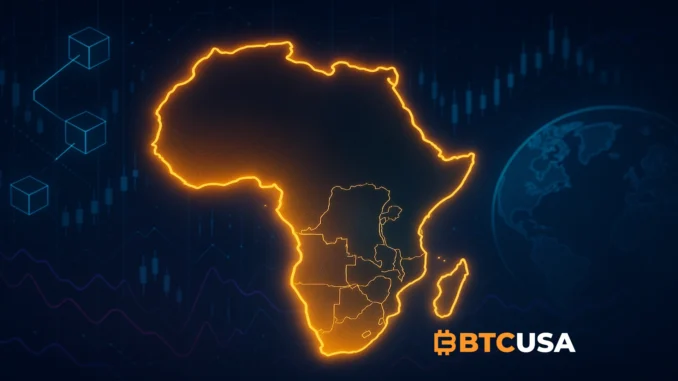
Africa is now the third-fastest growing crypto region in the world. Rapid adoption, limited financial infrastructure and low levels of digital literacy have made many communities vulnerable to scams, fraud and exploitation.
A recent Interpol operation uncovered more than $260 million in illicit crypto and fiat activity across the continent. This scale of abuse exposed how underprepared many regions are to deal with sophisticated digital crime.
Tether and the United Nations partnership explained
In January 2026, Tether announced a formal collaboration with the United Nations Office on Drugs and Crime to support the UNODC Strategic Vision for Africa 2030. The initiative focuses on cybersecurity education, fraud prevention and protecting victims of human trafficking.
Rather than targeting regulation alone, the partnership is built around education, community resilience and real-world support structures.
Senegal: building cybersecurity skills from the ground up
One of the first programs launches in Senegal. It introduces a multi-phase youth education initiative that includes bootcamps, mentoring and micro-grants. The program is supported by the Plan B Foundation, a joint initiative between Tether and the City of Lugano.
Participants are encouraged to develop real cybersecurity and digital asset protection projects that can later be deployed in their communities.
Protecting victims of trafficking across six African countries
The Africa Project extends beyond education. Tether is also funding civil society organizations that directly support victims of human trafficking in Senegal, Nigeria, the Democratic Republic of Congo, Malawi, Ethiopia and Uganda.
These organizations provide protection services, legal assistance and digital security support to prevent victims from being further exploited through crypto-based scams.
Expanding the mission to the Pacific
The partnership is not limited to Africa. In Papua New Guinea and the Solomon Islands, Tether and UNODC are working with universities to raise awareness about financial inclusion and digital asset fraud prevention.
Students are incentivized through competitions that focus on blockchain solutions for crime prevention and inclusive finance.
Why this collaboration changes the narrative around stablecoins
Stablecoins are often discussed only in the context of regulation and market stability. This initiative reframes the conversation around social responsibility, victim protection and community education.
It shows that blockchain infrastructure is increasingly being used as a tool to fight crime, not just enable financial activity.
BTCUSA outlook
The Tether–UNODC partnership represents a shift in how digital asset companies engage with global institutions. Instead of reacting to crime, they are building systems to prevent it.
This is a glimpse into a future where stablecoin providers act as cybersecurity partners for governments and international organizations — embedding crypto into the fabric of global public safety rather than keeping it at the edge of finance.


