The regulatory signal no one expected
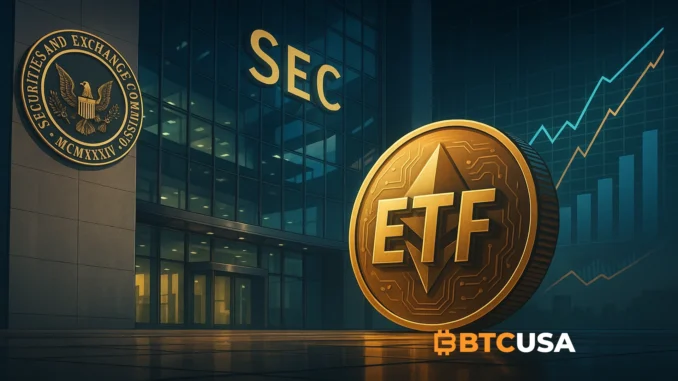
In early January 2026, the U.S. Securities and Exchange Commission quietly removed crypto assets from its official priority risk list for the coming year.
There was no press conference. No headline announcement. Yet for institutions, this change is one of the clearest signals so far that U.S. regulators are shifting from confrontation to normalization.
Why the SEC risk list matters
The SEC’s annual risk priorities shape how enforcement resources are allocated. Assets placed on this list face heightened scrutiny, investigations and compliance pressure.
Removing crypto from this list does not mean full regulatory clarity. It means something more subtle: crypto is no longer viewed as a systemic threat demanding extraordinary attention.
What changes for institutions
When crypto appears on a high-risk list, banks hesitate, ETF issuers delay products and compliance departments freeze expansion.
When it disappears, a different dynamic emerges:
• more capital is willing to engage
• custodial services expand
• financial products move from experimental to operational
This is not about speculation. It is about regulatory friction — and that friction just declined.
Market reaction and the “super cycle” narrative
Following the announcement, Binance founder Changpeng Zhao suggested that a new crypto super cycle may be forming. His comment reflects market sentiment, not policy reality.
This is where the story must be grounded. The real driver is not optimism — it is permission.
Why this shift is bigger than headlines
Regulatory de-risking is a prerequisite for mass institutional adoption. Without it, every product launch carries existential legal risk. With it, crypto becomes infrastructure rather than exception.
BTCUSA outlook
The SEC did not declare victory for crypto. It did something more important: it stopped treating it as a priority threat.
This subtle change could be the foundation of the next institutional cycle — not because prices rise, but because permission quietly returned.